
Best Dating Apps in 2026: An Honest Review Guide

There is no single best dating app. There is only the best app for what you want right now – a serious relationship, casual dates, or simply a wider pool than your current social circle. The frustration most people feel with dating apps comes from mismatched expectations: using a casual app while wanting commitment, or vice versa. This guide sorts the major platforms by intent so you can choose deliberately.
First, Be Honest About Your Goal
Before comparing features, answer one question: are you looking for a relationship, dating without a defined outcome, or something casual? Be honest with yourself, not aspirational. The app you pick should match your actual behavior, not the version of yourself you present to relatives at holidays.
The Major Apps, Compared
Hinge – For Relationship Seekers
Hinge’s design pushes users toward substance: profiles are built around prompts and photos that require comment, and you can only like a specific element of someone’s profile, which forces a slightly more thoughtful opener than a blind swipe. The pool skews toward people in their mid-twenties to late thirties who say they want something serious. That said, “designed to be deleted” is marketing – plenty of users are still browsing casually. Best for: people who want commitment and are willing to write more than “hey.”
Bumble – For Women Who Want to Initiate
On Bumble, matches only begin a conversation when the woman sends the first message within 24 hours. This changes the dynamic significantly: men get fewer openers, and women control the tempo. Bumble has broadened into friendship and networking modes, but its dating pool is mainstream and wide. Best for: women tired of low-effort openers, and men comfortable letting matches come to them. Our deeper breakdown covers Bumble versus Tinder in detail.
Tinder – For Volume and Speed
Tinder remains the biggest pond, which cuts both ways. Sheer user numbers mean more potential matches and faster feedback loops, but also more browsers-than-buyers. Its reputation as a hookup app is outdated – plenty of relationships start there – but the fast-swipe interface rewards photos over bios. Best for: people who want lots of options, are new to a city, or are comfortable sorting quickly. Its premium tiers are among the pricier options, which we weigh in whether paying for dating apps is worth it.
Coffee Meets Bagel – For Low-Effort Curation
CMB sends a small number of curated matches each day rather than an endless deck. The pace suits people who find swiping exhausting and want a daily check-in rather than a marathon session. The tradeoff is a smaller pool and slower momentum. Best for: busy professionals who want quality over quantity and don’t mind waiting.
OkCupid – For Compatibility Nerds
OkCupid’s long questionnaires feed a compatibility percentage that, while imperfect, gives you actual conversation material before you match. The pool is diverse in age and intent, and the free tier is genuinely usable. Best for: people who enjoy data, quizzes, and knowing how someone answers dealbreaker questions before saying hello.
eharmony and Match – For Deliberate Long-Term Matching
The old guard still works for a specific demographic: people who want guided processes, longer profiles, and a user base that skews older and more explicitly commitment-focused. Expect to pay meaningfully for the experience, and expect slower pacing. Best for: over-35 daters who want structure and are done with swipe culture. If that’s you, our online dating after 40 playbook goes deeper.
Cost, Briefly
Nearly every app now operates on a freemium model: swiping is free, visibility and convenience cost money. As a rule of thumb, only consider paying when (a) you’ve already optimized your profile and messages, and (b) the specific paid feature removes a bottleneck you personally feel. Paying to boost an empty bio buys you nothing.
How to Actually Choose
- Pick one primary app that matches your goal. Spreading attention across five apps makes everyone a stranger and you exhausted.
- Give it 4-6 weeks before judging. Pools differ and first weeks are noisy.
- Fix your inputs first. If you get no matches anywhere, the app isn’t the problem – revisit our guide to writing a profile that gets responses.
- Add a second app only if your first is working and you have spare energy.
The uncomfortable truth about app choice is that it matters far less than what you do after choosing. A mediocre app with a strong profile and good conversation habits beats a perfect app used passively. Pick your pond, then learn to fish.

Getting lots of matches but never landing a real date? Learn the common mistakes holding you back and practical steps to turn matches into actual meetings.
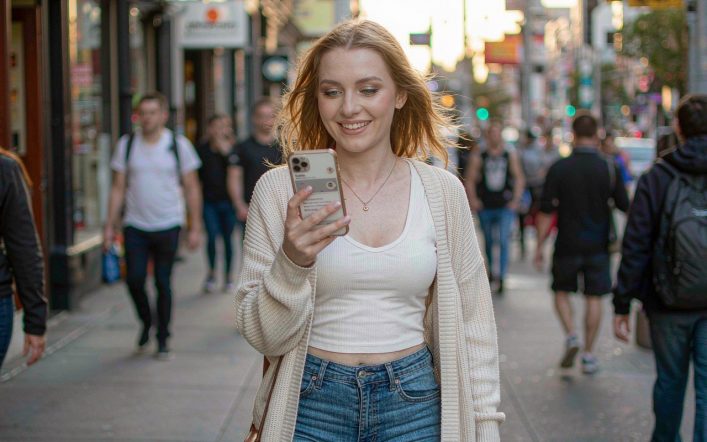
Getting matches is only the first step — learn how to move from swiping to real-life dates with proven conversation strategies and timing tips.
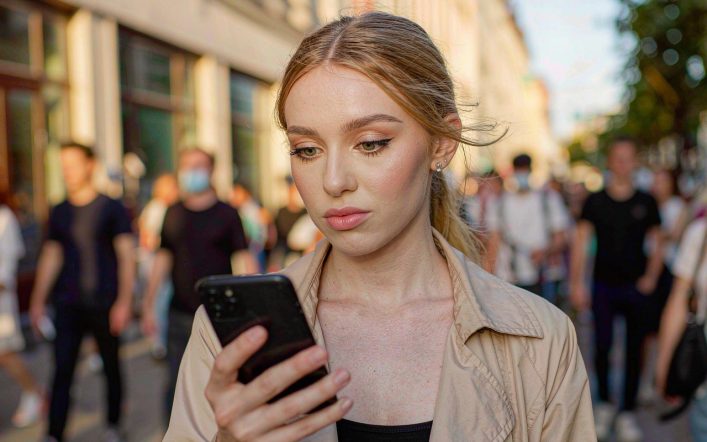
Spot these 7 dating app red flags early. Learn to recognize manipulation, fake profiles, and warning signs before they cost you time and trust.

A terrible first date can shake your confidence. Here is a practical guide to processing the experience, learning from it, and getting back out there without losing hope in love.