
Bumble vs Tinder: Which App Fits Your Goals

Bumble and Tinder are the two apps most people try first, and the question is rarely which one is better in the abstract – it is which one fits what you actually want. The apps overlap far more than their reputations suggest, but their core mechanics push conversations in different directions. If you understand those mechanics before you invest a Saturday evening in building a profile, you will save yourself weeks of mismatched swiping.
The Core Difference: Who Sends the First Message
On Tinder, either person can message first the moment you match. On Bumble, in heterosexual matches, only the woman can send the opening message, and she has 24 hours to send it before the match expires (men can extend that window once). Same-sex matches on Bumble work like standard matches, with either person able to open.
That single rule changes the feel of each app more than any other feature:
- Tinder tends to produce more matches and faster, more casual conversations – which is great for volume and practice, but means more chats that fizzle at hey.
- Bumble tends to produce fewer but more intentional conversations, because someone had to make a deliberate move to start one. The expiration timer also quietly filters out people who never intended to talk.
If you are someone who overthinks opening lines, Bumble’s built-in deadline can actually be liberating: it forces a decision instead of a draft you never send.
Who You Are Actually Swiping Through
Reputations lag reality. Tinder’s user base is broad – plenty of people looking for something serious, plenty not – and it skews slightly younger overall. Bumble’s audience also covers the full spectrum, but its brand has historically attracted people who like the women-first framing, and that shapes the tone of profiles you will see.
What this means in practice: neither app can tell you how serious a given person is. Only their profile and behavior can. An app is a room, not a promise. If you want a deeper comparison of the whole field, including apps built specifically around long-term compatibility, our review of the best dating apps in 2026 breaks down the major options by goal.
Profile and Feature Comparison
Tinder’s strengths
Tinder’s sheer size is its superpower: more people in most cities means more matches, more practice, and a better shot at finding whoever you are looking for, simply because the pool is bigger. Features like seeing who has already liked you (on paid tiers) and easy profile prompts make it efficient to use, sometimes too efficient – it is easy to end up in pure swiping autopilot.
Bumble’s strengths
Bumble’s profile setup nudges people toward more substance: prompts, interest badges, and question-answer cards that make it easier to find something specific to mention in a message. Its date-mode and friend-mode options also appeal if you want more than one kind of connection out of the same app.
Neither app’s premium features are required to get results, but if you are considering paying, it is worth reading the cost-benefit breakdown in should you pay for premium dating apps before you subscribe – the value depends heavily on where you live and how you swipe.
Which App Should You Choose?
Use this quick guide to match the app to your goals:
- You want maximum volume and practice. Start with Tinder. More users means more conversations, and more conversations is genuinely useful when you are still figuring out your own preferences and getting comfortable chatting with strangers.
- You are a woman tired of unopenable conversations. Try Bumble. You control the opener, and you will never wake up to seven messages from matches you barely remember.
- You are a man who writes good openers. Tinder gives you room to show it immediately; on Bumble you will spend more energy on your profile and photos, since that is what earns you the chance to be messaged at all.
- You want something serious. Do not pick based on the app’s reputation – pick based on effort-to-signal. Both apps reward a thoughtful profile. Read how to write a dating profile that actually gets responses and apply it wherever you land.
- You have time for both. Plenty of people run both apps for a month and see which one produces better conversations in their city, then delete the other. That is a legitimate strategy, not indecision.
Getting Results on Either App
Whichever app you choose, the same fundamentals decide whether matches turn into dates: a lead photo that shows your face clearly, a bio that gives people something to respond to, and opening messages that reference something specific. If you match but conversations stall quickly, the problem is usually the transition from match to chat – which is exactly what our guide on how to start a conversation on dating apps covers, with examples you can adapt tonight.
The honest answer to Bumble vs Tinder is that most people do best on the app they enjoy using, because enjoyment is what keeps you consistent enough to actually meet someone. Pick one, build a real profile, give it a fair month, and let your results – not the app’s marketing – tell you where to spend your time.

Getting lots of matches but never landing a real date? Learn the common mistakes holding you back and practical steps to turn matches into actual meetings.
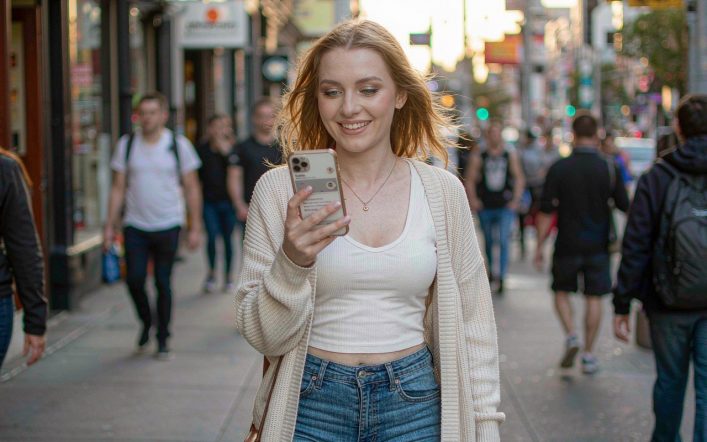
Getting matches is only the first step — learn how to move from swiping to real-life dates with proven conversation strategies and timing tips.
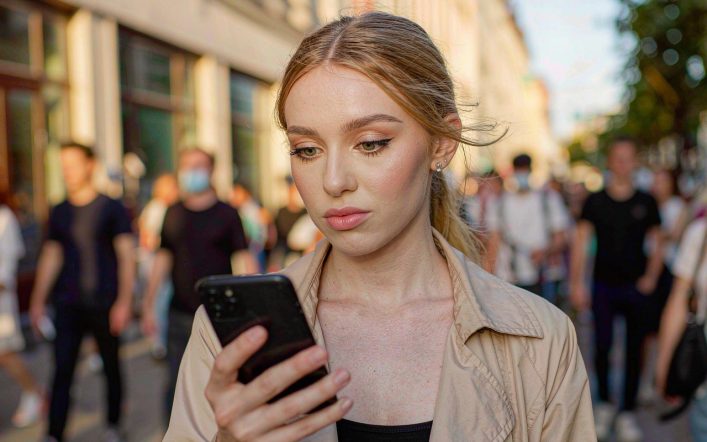
Spot these 7 dating app red flags early. Learn to recognize manipulation, fake profiles, and warning signs before they cost you time and trust.

A terrible first date can shake your confidence. Here is a practical guide to processing the experience, learning from it, and getting back out there without losing hope in love.